Nutrition, Hydration, Skin Integrity & Elimination
Protecting Resident Health, Comfort, and Dignity Through Everyday Care
Some of the most important changes in a resident’s condition are first noticed during ordinary daily care.
A resident begins eating less. Someone who usually drinks well refuses fluids. A new area of skin discoloration appears during bathing. Another resident develops changes in bowel or bladder habits.
These observations matter.
As a Certified Nurse Assistant (CNA), you spend valuable time helping residents with meals, hydration, hygiene, positioning, and toileting. Your ability to recognize changes, provide safe assistance, and communicate concerns promptly is an important part of quality resident care.
This four-hour continuing education course helps you strengthen the practical skills needed to support residents’ nutritional needs, hydration, skin health, and elimination while protecting their comfort, independence, and dignity.
What You’ll Learn
Module 1: Nutrition and Safe Feeding Assistance
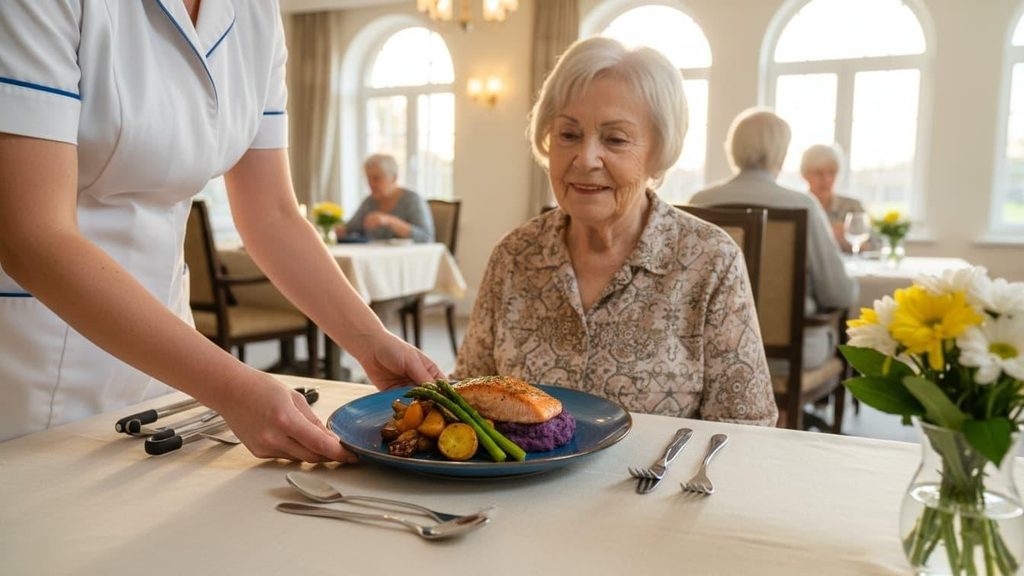
Understand the importance of proper nutrition in older adults. Learn to recognize changes in appetite and food intake, assist residents safely during meals, follow prescribed diet and food-texture instructions, and identify warning signs of swallowing difficulties.
Module 2: Hydration and Recognizing Fluid Imbalances
Explore the importance of adequate hydration and the challenges older adults may face in maintaining fluid intake. Learn to encourage fluids according to the resident’s care plan, measure and record intake and output, recognize possible dehydration concerns, and report significant changes.
Module 3: Skin Integrity and Pressure Injury Prevention
Learn how aging, immobility, moisture, friction, and pressure affect the skin. Review practical approaches to skin protection, repositioning assistance, moisture management, and prevention of skin tears. Strengthen your ability to recognize and report concerning skin changes.
Module 4: Elimination, Continence, and Resident Dignity
Develop a stronger understanding of bowel and bladder care, toileting assistance, incontinence management, perineal hygiene, and basic urinary catheter precautions. Learn how to recognize changes in elimination patterns while protecting resident privacy and dignity.
Skills You’ll Strengthen
-
Assisting residents safely during meals.
-
Recognizing swallowing difficulties and changes in nutritional intake.
-
Supporting hydration and accurately recording intake and output.
-
Recognizing early skin changes and pressure injury risks.
-
Providing safe hygiene and moisture-management assistance.
-
Supporting toileting independence and continence care.
-
Identifying bowel and bladder changes that need reporting.
-
Communicating observations clearly to the licensed nurse.
Learn Through Realistic CNA Situations
This course includes interactive activities, resident-care scenarios, knowledge checks, and a final examination.
You’ll practice making safe decisions in situations involving feeding assistance, hydration concerns, skin changes, and elimination care.
Course Information
Designed for: California Certified Nurse Assistants and long-term care nursing assistants
Course length: 4 hours of continuing education
Format: Online, self-paced learning
Modules: 4
Assessment: Module knowledge checks and final examination
Why This Course Matters
Excellent resident care often begins with the smallest observations.
Recognizing a change in appetite, noticing a new skin concern, or reporting an unusual elimination pattern may help the nursing team respond before a problem becomes more serious.
Your everyday care, attention to detail, and compassion help protect the health, comfort, and dignity of the people who depend on you.